

News
-
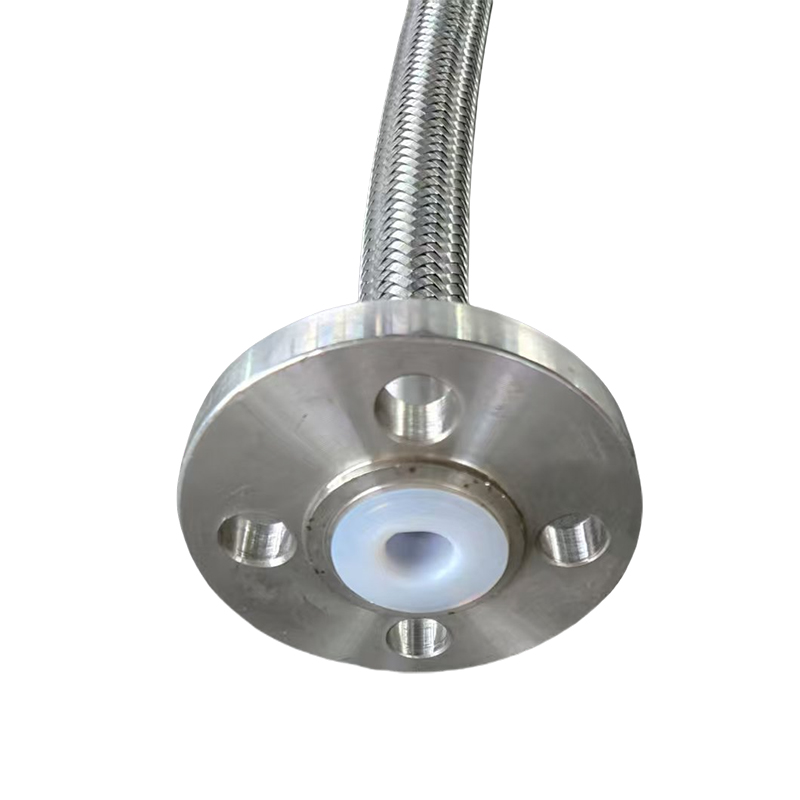
What Impact Does Weather Resistance Have on the Longevity of Metal Hoses Used in Outdoor Industrial Applications?
In the vast and varied landscape of industrial infrastructure, metal hoses serve as the critical lifelines for transporting fluids, gases, and steam.
Learn More2026-04-13 -
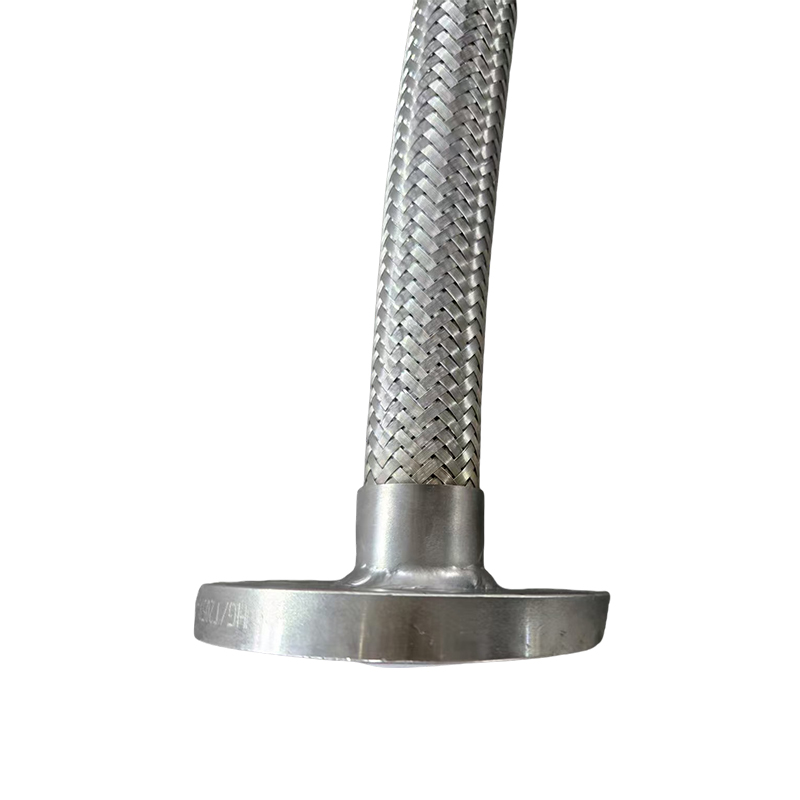
What role does the surface treatment process of metal hose play in its rust prevention and aesthetics?
As a widely used connecting element in industrial and civilian fields, the surface treatment process of metal hoses has a crucial impact on their rust resistance and aesthetics.
Learn More2026-03-30 -
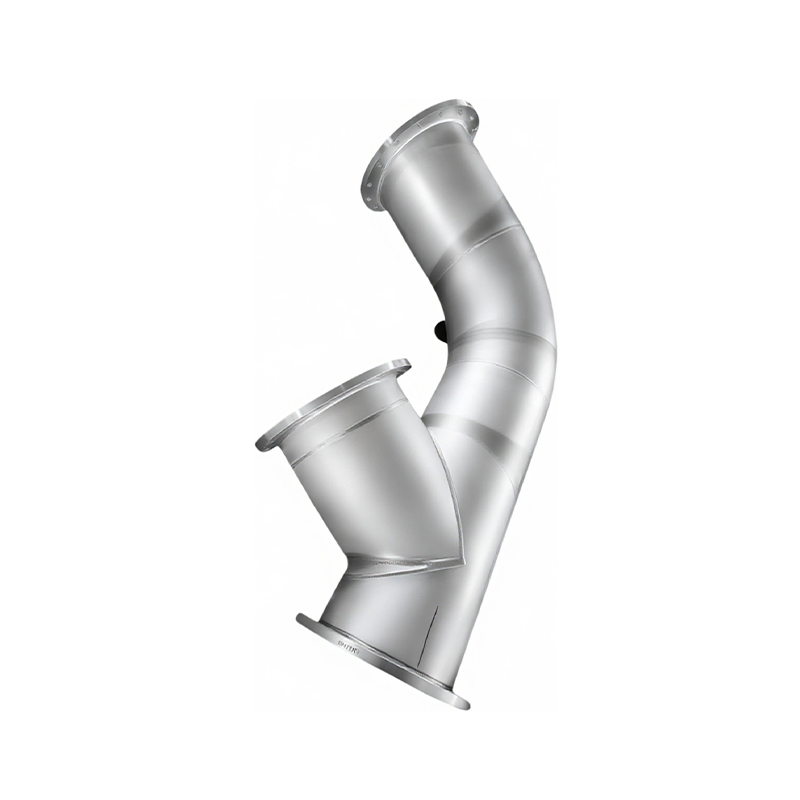
How to avoid intergranular corrosion and ensure joint strength and durability in the welding process of stainless steel pipe fittings?
Stainless steel pipe fittings, with their excellent corrosion resistance and mechanical properties, are widely used in petrochemical, food processing, medical device, and marine engineering fields.
Learn More2026-03-17 -
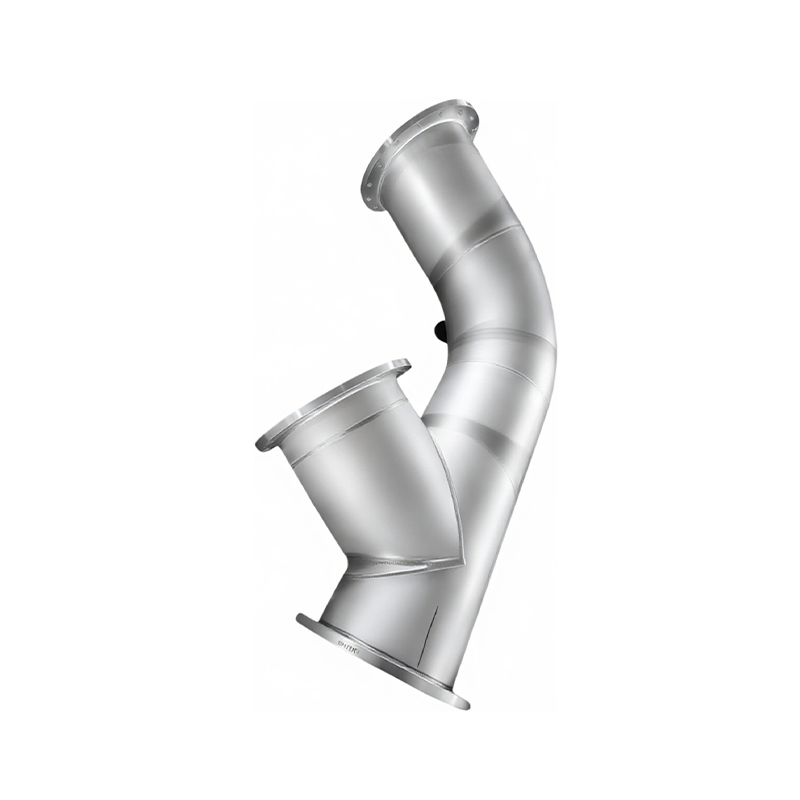
How can non-destructive testing be performed on stainless steel pipe fittings to identify potential internal defects?
Stainless steel pipe fittings play a crucial role in industrial applications, and potential internal defects can seriously affect the safe operation and service life of equipment.
Learn More2026-03-11 -
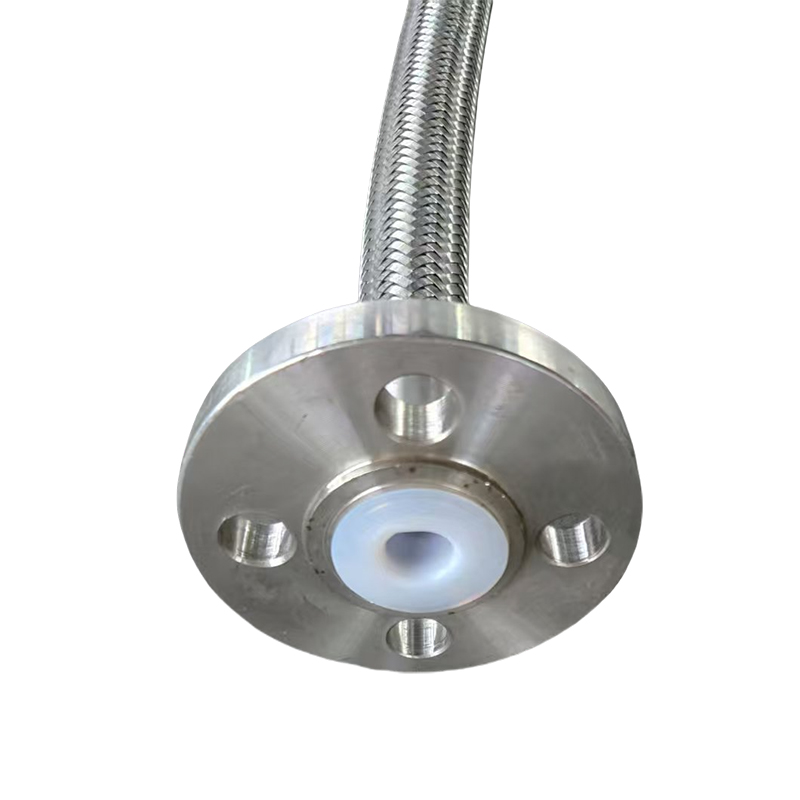
How have metal hoses become the ideal choice for industrial piping applications?
As a crucial component of modern industrial piping systems, metal hoses are widely used in various industrial fields due to their unique performance advantages.
Learn More2026-03-04 -
How do the high mechanical strength and toughness of stainless steel pipe fittings ensure their safe operation under earthquakes or high-vibration conditions?
Against this backdrop, stainless steel pipe fittings, with their superior mechanical strength and excellent toughness, have become a core component ensuring the safe operation of systems under extreme dynamic loads.
Learn More2026-02-19